 Call us now:


Reliable Healthcare Agency, New Jersey 2026
Reliable Healthcare Agency publishes community health education for New Jersey residents through reliablehealthcareagency.com. This article is written for adults who are losing sleep and trying to decide what to do next.
What an agency in this position can do, and what it cannot: we can help people recognize symptoms, prepare questions for a clinician, organize a medication list, and follow through on a care plan. We do not diagnose insomnia, order sleep studies, or prescribe, sell, or dispense zolpidem or any other controlled substance. Anyone who needs a prescription needs a licensed prescriber and a licensed pharmacy.
New Jersey readers can confirm clinician and pharmacy licensure through the New Jersey Division of Consumer Affairs, and prescribers and pharmacies coordinate controlled-substance histories through the New Jersey Prescription Monitoring Program (NJPMP).
The 2026 Landscape of Adult Sleep Medicine

Sleep complaints are among the most common reasons adults contact a clinician, and most of those complaints never get a proper diagnosis. The pattern I see described most often in intake conversations is not a mysterious disease. It is years of self-treatment alcohol, over-the-counter antihistamines, borrowed pills, and scrolling layered on top of an untreated cause.
Why Insomnia Is a Medical Issue, Not a Discipline Problem
Chronic insomnia involves hyperarousal: the nervous system stays in a state of heightened alertness at night, even when the person is exhausted and wants to sleep. Telling someone with hyperarousal to “just relax” is like telling someone with a fever to “just cool down.” The physiology has to be addressed.
Untreated insomnia and sleep-disordered breathing are associated with:
- Impaired attention, memory consolidation, and decision-making
- Worsening of depression and anxiety symptoms
- Increased risk of motor vehicle crashes from sleepiness
- Poorer blood pressure control and cardiometabolic risk, particularly with untreated sleep apnea
- Reduced work productivity and higher healthcare utilization
What Changed by 2026
Three shifts matter for patients right now. First, CBT-I has become genuinely accessible through telehealth and clinician-guided digital programs, which removes the old excuse that behavioral treatment was unavailable. Second, home sleep apnea testing is now routine for uncomplicated suspected obstructive sleep apnea in adults, shortening the path to diagnosis. Third, consumer wearables have made sleep data abundant but not equivalent to diagnostic testing a ring or watch can show a pattern, but it cannot diagnose apnea or grade insomnia severity.
DSM-5-TR Criteria for Insomnia Disorder
Insomnia disorder is diagnosed when a person reports difficulty initiating sleep, maintaining sleep, or waking too early, with associated daytime impairment, occurring at least three nights per week for at least three months, despite adequate opportunity to sleep. It is not defined by hours slept. It is defined by distress and functional impact.
Sleep problems lasting less than three months are often described as short term insomnia. They still deserve attention because brief insomnia frequently becomes chronic without intervention.
Conditions That Change the Plan
The first question in any insomnia workup is whether something else is generating the sleep problem.
- Obstructive sleep apnea: snoring, witnessed pauses, gasping, morning headache, nocturia, unrefreshing sleep, daytime sleepiness
- Restless legs syndrome and periodic limb movement disorder: an urge to move the legs, worse at rest and in the evening
- Circadian rhythm disorders: delayed sleep wake phase, shift work, jet lag
- Mood and anxiety disorders: early morning waking with depression, bedtime rumination with anxiety
- Substances and medications: caffeine, alcohol, nicotine, cannabis, stimulants, steroids, some antidepressants, decongestants
- Medical causes: chronic pain, thyroid disease, reflux, menopause related symptoms, heart failure
Screening Tools That Actually Help
The Insomnia Severity Index (ISI) grades insomnia severity and tracks treatment response. The Epworth Sleepiness Scale (ESS) measures daytime sleepiness rather than fatigue, which matters because excessive sleepiness raises safety questions. The STOP-Bang questionnaire flags possible sleep apnea risk. None of these tools diagnoses anything on its own.
When to Escalate Immediately
Red Flags
- Falling asleep while driving or operating equipment
- Witnessed breathing pauses, or choking and gasping at night
- New confusion, chest pain, or severe breathlessness at night
- Sudden muscle weakness triggered by emotion (possible cataplexy)
- Complex behaviors during sleep, especially after taking a hypnotic
- Thoughts of self-harm; call or text 988
What a Thorough Workup Includes
A clinician should review sleep timing, latency, awakenings, napping, shift schedules, mood, pain, caffeine and alcohol patterns, all current prescriptions and supplements, and prior sleep treatments. When obstructive sleep apnea is suspected, polysomnography or a home sleep apnea test is ordered and interpreted by a qualified clinician.
Evidence-Based Treatment Approaches

CBT-I is the recommended first-line treatment for chronic insomnia in adults. It is structured, time-limited, and typically delivered over four to eight sessions:
- Stimulus control: reserve the bed for sleep, keep a consistent wake time, leave the bed if awake and return when sleepy
- Sleep restriction (sleep consolidation): compress time in bed to actual sleep time, then expand gradually
- Cognitive therapy: address catastrophic beliefs about sleep and daytime consequences
- Relaxation training: progressive muscle relaxation, paced breathing
- Sleep hygiene: supportive context, not a standalone cure
That last point is widely misunderstood. Sleep hygiene advice alone is not adequate treatment for chronic insomnia, and giving a patient a handout about caffeine is not the same as delivering CBT-I.
A composite teaching example, not a real patient record: an adult presents after two years of nightly sleep-aid use, reporting that sleep has gotten worse, not better. Review of the medication list, alcohol habits, and bed routine suggests reinforcement of hyperarousal rather than a new pathology. The plan begins with assessment, not with a stronger prescription.
Medication has a role. It is usually short-term, intermittent, or transitional used while behavioral treatment takes effect, or for a defined indication.
What 2026 Guidance Emphasizes
- Treat the underlying cause first
- Use the lowest effective dose for the shortest necessary duration
- Discuss next-day impairment explicitly, including driving
- Screen for alcohol and other sedative use
- Reassess at every refill rather than renewing indefinitely
- Avoid long-term hypnotics in older adults when possible, given fall and cognitive risks
Ambien 10 mg (Zolpidem): Clinical Reality and Safe Access
This section is general information. It is not a recommendation to take Zolpidem, and it does not replace a prescriber’s judgment.
Ambien is a brand name for Zolpidem tartrate, a non benzodiazepine sedative hypnotic often grouped with the “Z-drugs.” The 10 mg immediate-release tablet is one of several marketed strengths. Zolpidem is a Schedule IV controlled substance in the United States, FDA-approved for the short-term treatment of insomnia characterized by difficulty falling asleep.
What the 10 mg Dose Actually Means
The 10 mg immediate release tablet is the higher of the two common adult strengths, and current labeling directs a lower initial dose for women and for older adults, along with lower dosing in people with hepatic impairment, because of next-day impairment risk. Taking 10 mg when a lower dose is appropriate can leave a person functionally impaired the next morning without feeling impaired. That is the specific danger worth understanding.
Boxed Warning and Major Risks
The FDA requires a boxed warning for complex sleep behaviors sleepwalking, sleep-driving, making phone calls, preparing food, or other activities while not fully awake which have caused serious injury and death. Additional concerns include:
- Next-day drowsiness, slowed reaction time, and impaired driving
- Additive sedation with alcohol, opioids, benzodiazepines, gabapentinoids, and other CNS depressants
- Amnesia, abnormal thinking, and mood changes, including worsening depression
- Falls and confusion, especially in older adults
- Dependence, tolerance, and rebound insomnia if stopped abruptly after regular use
- Respiratory depression risk when combined with other sedatives or used in untreated sleep apnea
Do not combine zolpidem with alcohol. Do not share tablets. If a complex sleep behavior occurs, the medication should generally be stopped and the prescriber contacted that day.
Getting Ambien Legally and Safely in New Jersey
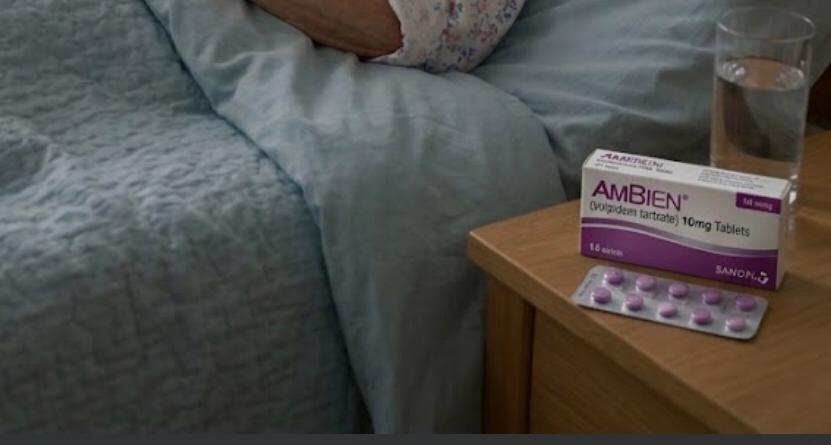
Searches such as getting Ambien 10 mg usually reflect one of three pressures: cost, urgency, or a prescriber who is hard to reach. None of those pressures changes the legal standard. Buy Ambien online without a prescription.
If Cost Is the Real Problem
Ask your prescriber and pharmacist about generic Zolpidem pricing, insurance formulary coverage, and legitimate manufacturer or discount programs. A generic filled at a licensed pharmacy is almost always cheaper than any unverified seller’s “deal” once the real risks are counted.
Reliable Healthcare Agency does not prescribe, sell, or dispense buy Ambien or any controlled substance. We help people understand their options and get to the right licensed provider.
Common Sleep Problems and First Steps
| Problem | Typical presentation | Diagnostic step | First-line approach |
|---|---|---|---|
| Chronic insomnia | ≥3 nights/week for ≥3 months, daytime impairment | Clinical interview, ISI | CBT-I |
| Obstructive sleep apnea | Snoring, gasping, daytime sleepiness | Home sleep apnea test or polysomnography | PAP therapy; weight and positional strategies |
| Delayed sleep-wake phase | Falls asleep very late, can’t wake for work | Sleep diary, actigraphy | Timed light and schedule adjustment |
| Restless legs syndrome | Evening urge to move legs, worse at rest | Clinical history, iron studies | Iron correction if deficient; condition-specific therapy |
| Shift work disorder | Insomnia or sleepiness tied to shift schedule | Sleep and work history | Schedule design, strategic napping, light timing |
What Actually Helps Night to Night
- Keep a fixed wake time, seven days a week, including weekends
- Get outdoor light in the morning; dim the environment in the evening
- Cut caffeine after midday; note that alcohol fragments sleep even when it feels sedating
- Reserve the bed for sleep and intimacy
- If awake and frustrated for roughly 20 minutes, leave the bed briefly and return when drowsy
Just as understanding health conditions like adult insomnia and sleep disorders is essential for patient care, implementing targeted SEO and digital marketing strategies as explored in this post is vital for ensuring your healthcare agency and health blog reach the right audience.”
Frequently Asked Questions
What is the first line treatment for chronic insomnia in adults in 2026?
Cognitive behavioral therapy for insomnia (CBT-I) is the recommended first-line treatment for chronic insomnia in adults. Medication is generally considered short term or adjunctive, and only after an evaluation that rules out sleep apnea and other causes.
How do I know if my insomnia is actually sleep apnea?
Loud snoring, witnessed breathing pauses, gasping or choking during sleep, morning headaches, and excessive daytime sleepiness suggest sleep apnea rather than simple insomnia. If those features are present, a clinician should arrange sleep testing before any hypnotic is prescribed.
Can I buy Ambien online or order generic Ambien 10 mg legally in New Jersey?
You can legally buy Ambien or order generic Zolpidem in New Jersey only with a valid prescription filled by a licensed, verified pharmacy. Getting Ambien 10 mg from a website that sells without a prescription is illegal and exposes you to counterfeit tablets; verify the pharmacy through the New Jersey Board of Pharmacy or NABP before you purchase anything online.
Is it safe to stop a sleep medication suddenly?
No abrupt discontinuation after regular use can cause rebound insomnia, anxiety, and other withdrawal symptoms, so any stop should be planned with your prescriber. A gradual taper is often appropriate, particularly after prolonged nightly use.
Should I contact Reliable Healthcare Agency for insomnia treatment or a prescription?
No. Reliable Healthcare Agency provides health education and support, not diagnosis or prescribing. Insomnia and sleep disorders should be evaluated by a licensed New Jersey clinician, and any medication must come from a prescriber and a licensed pharmacy.