 Call us now:



Asthma is a long-term inflammatory airway condition that can cause wheezing, cough, chest tightness, and shortness of breath. Symptoms may come and go, but airway inflammation can persist between episodes. Effective asthma treatment in healthcare agency in New Jersey combines an accurate diagnosis, an inhaler plan that includes anti-inflammatory treatment when indicated, attention to local triggers, and regular review of symptoms and inhaler technique.
This 2026 overview reflects the Global Initiative for Asthma (GINA) 2025 strategy and the National Asthma Education and Prevention Program (NAEPP) 2020 focused updates, alongside current US medication labeling. Clinicians and patients should check for newer guidance, product-label changes, and insurance requirements.
Asthma Diagnosis: Confirm the Pattern
A reliable asthma diagnosis requires more than a report of wheezing or a trial of an inhaler. Clinicians look for a pattern of variable respiratory symptoms and, when possible, objective evidence of variable expiratory airflow limitation. Building upon our previous guide to adult weight loss this article explores essential aspects of asthma treatment across New Jersey to help adults maintain their overall health and well-being.
Symptoms and clinical history
Asthma symptoms often include wheezing, shortness of breath, chest tightness, or cough. They may worsen at night or early in the morning, during exercise, after a viral infection, or around allergens or irritants. Symptoms that vary over time support an asthma evaluation, but do not confirm asthma on their own.
A clinician will ask when symptoms occur, how often they wake the person at night, what triggers them, and how often a reliever inhaler is used. They may also review smoking or vaping, workplace exposures, allergies, family history, prior emergency visits, and any courses of oral corticosteroids.
A practical diagnostic checkpoint

A sound assessment asks three questions: Do symptoms vary over time? Is there objective evidence of variable airflow? Have other likely causes been considered? Peak-flow readings taken consistently over about two weeks can help identify variability; the interpretation should be made with a clinician. Fractional exhaled nitric oxide (FeNO) can support an assessment of type 2 airway inflammation, but it does not diagnose asthma by itself.
Other conditions can resemble asthma, including chronic obstructive pulmonary disease (COPD), inducible laryngeal obstruction, heart disease, reflux, and some forms of sleep-disordered breathing. Persistent symptoms despite treatment deserve reassessment rather than automatic increases in medication.
New Jersey Triggers and Environmental Factors
Asthma triggers vary by person and by location. New Jersey residents may encounter tree pollen in spring, grass pollen in warmer months, and ragweed in fall. Damp buildings, indoor mold, dust mites, pet allergens, cockroach or rodent allergens, and tobacco smoke can also contribute to symptoms.
Outdoor air quality can matter, too. Ozone, traffic-related pollution near major roads or ports, wildfire smoke, and sudden changes in temperature may worsen symptoms for some people. Local conditions differ, so a symptom diary can help connect exposures with flare-ups. Residents can check air-quality alerts through AirNow and follow their clinician’s advice for high-pollution days.
Asthma Treatment Options for Adults
Asthma treatment is individualized. The care team considers symptom frequency, nighttime waking, lung function, flare-up history, other health conditions, medication access, and the patient’s ability to use an inhaler correctly. Before stepping up treatment, clinicians generally reassess the diagnosis, inhaler technique, adherence, exposures, and conditions such as rhinitis or sleep apnea.
Inhaled corticosteroids and combination inhalers
Inhaled Ventolin reduce airway inflammation and lower the risk of serious asthma flare-ups. They are a key part of many adult asthma plans, even when symptoms are intermittent. Some people use an ICS-containing inhaler when symptoms occur; others need regular controller treatment, sometimes combined with a long-acting beta agonist (LABA).
GINA recommends an ICS-containing approach for adults and adolescents and advises against relying on a short-acting beta agonist (SABA) alone. In the GINA preferred track, low-dose ICS-formoterol can serve as a reliever in appropriate treatment plans. For some US products, using ICS-formoterol as a reliever may differ from FDA-approved labeling. The prescriber should explain the plan, product instructions, and insurance coverage.
NAEPP’s 2020 focused updates recommend options for people with mild persistent asthma that include daily low-dose ICS with a SABA reliever, or taking an ICS when a SABA is used. For selected patients with moderate to severe persistent asthma, NAEPP recommends single maintenance and reliever therapy (SMART) with ICS-formoterol. These approaches are not interchangeable for every patient; age, product, disease severity, and access matter.
Other add-on treatments
For asthma that remains uncontrolled despite appropriate ICS-based treatment, a clinician may consider additional therapy. Options can include a long-acting muscarinic antagonist (LAMA), leukotriene receptor antagonist, or a biologic medication for specific severe-asthma phenotypes. Biologic selection may depend on allergy testing, blood eosinophils, FeNO, exacerbation history, and other clinical findings.
Montelukast carries an FDA boxed warning about serious neuropsychiatric events. Patients and caregivers should discuss its risks and report mood, behavior, or sleep changes to the prescriber. Repeated or prolonged oral corticosteroid use also has meaningful risks, so frequent need for steroid bursts should prompt specialist review.
| Treatment approach | Typical role | Key point |
|---|---|---|
| ICS-containing inhaler | Reduces airway inflammation and flare-up risk | Core treatment for many adults; use as prescribed |
| ICS-LABA combination | Controller treatment for persistent symptoms | Some plans use ICS-formoterol as both controller and reliever |
| SABA such as albuterol | Rapid relief of acute symptoms | Relieves bronchoconstriction; does not treat underlying inflammation |
| LAMA or biologic | Add-on for selected uncontrolled or severe asthma | Requires clinical assessment and follow-up |
Check control and inhaler technique
A reliever that is needed frequently can signal poor control. SABA use more than two days a week, excluding planned use before exercise, is a reason to review the plan with a clinician. Use of more than three SABA canisters in a year is associated with increased exacerbation risk and also warrants review.
Technique matters. For a pressurized metered-dose Ventolin inhaler instructions often involve shaking and priming when required, exhaling first, sealing the lips around the mouthpiece or spacer, inhaling slowly while pressing the canister, and briefly holding the breath. Device instructions vary. A dry-powder inhaler, for example, requires a different inhalation technique. Ask a pharmacist, nurse, or clinician to watch a demonstration. After using an ICS, rinse the mouth and spit to reduce the risk of oral thrush.
Ventolin (Albuterol) Access in New Jersey
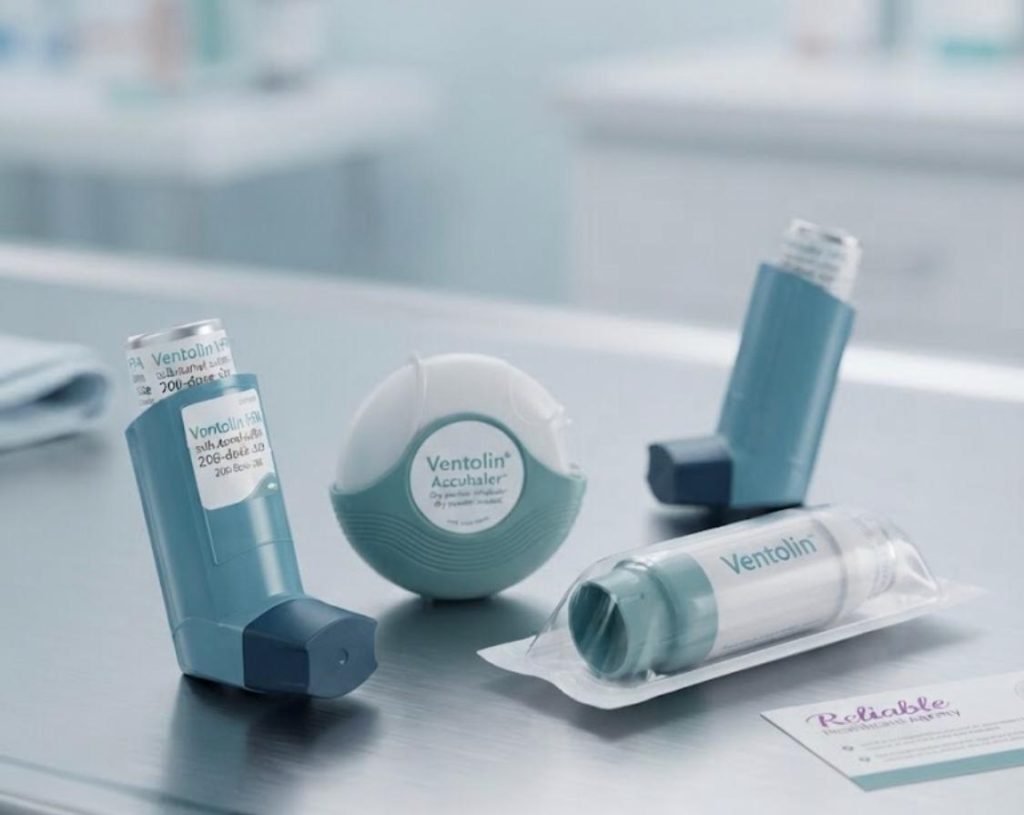
Ventolin HFA is a brand of albuterol, a SABA rescue inhaler that relaxes airway muscles and can relieve acute bronchospasm. It is not an anti-inflammatory controller and should not replace an ICS-containing plan when one is prescribed. Follow the directions on the prescription label; the right use depends on the product, symptoms, and individual action plan. If relief is short-lived or the inhaler is needed more often than expected, contact the prescriber rather than simply increasing use.
Searches such as order Ventolin inhaler online should lead to a safety check, not an unverified seller. Albuterol inhalers require a valid prescription in the United States. A person seeking to buy a prescription Ventolin inhaler should fill it through a pharmacy licensed in the state where the patient is located. Verify a New Jersey pharmacy through the New Jersey State Board of Pharmacy and use the FDA’s BeSafeRx guidance or the National Association of Boards of Pharmacy’s pharmacy-verification tools. Avoid sites that offer prescription inhalers without a prescription or a legitimate clinical evaluation.
To acquire or secure a supply for a prescribed treatment plan, request refills before the inhaler is empty and ask the prescriber or pharmacist about coverage, generic alternatives, and refill timing. Telehealth may be an option when the clinician is appropriately licensed and can conduct a suitable evaluation. An inhaler purchased online should never be used to delay urgent care. Frequent refills, night waking, or repeated flare-ups call for a review of asthma control and controller treatment.
Written Action Plans and Home Support
A written asthma action plan tells a person what to do when symptoms are stable, worsening, or severe. It should list prescribed medicines, symptoms or peak-flow readings that signal a change, and the clinician’s instructions for getting help. The plan should be specific to the patient; do not substitute a general internet chart for the clinician’s directions.
A hypothetical home-care scenario
Imagine an adult whose cough and wheezing increase during a high-pollen week. A caregiver who is authorized and trained for the role might note symptom timing, help the person locate the written plan, and report concerns to the family or clinical team. The caregiver should not diagnose an exacerbation, change an inhaler dose, or tell the person to stop a controller medication.
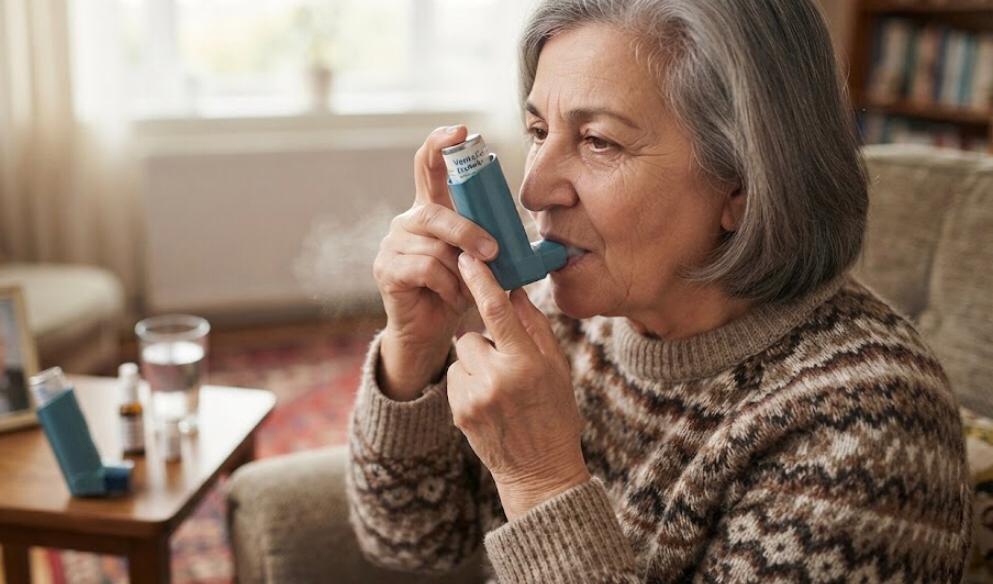
For families receiving home-care support from Reliable Healthcare Agency, Inc., agency management can clarify which nonclinical asthma-related tasks fall within its current services, staff training, and applicable New Jersey requirements. Home-care support may complement a clinician-led plan; it does not replace diagnosis, prescribing, pharmacy counseling, or emergency medical care.
When Asthma Symptoms Need Emergency Care
Follow the red-zone instructions in the person’s written action plan. Call 911 if breathing becomes severe or rapidly worsens, the person cannot speak in full sentences, lips or face appear bluish, they become confused or unusually drowsy, or their reliever does not help as directed. Do not wait for an online appointment or pharmacy delivery during a severe attack.
After an emergency visit or serious flare-up, arrange follow-up with the treating clinician. The review should cover possible triggers, medication changes, inhaler technique, and whether a written action plan is in place.
Frequently Asked Questions
What is the first-line treatment approach for adult asthma in 2026?
An ICS-containing treatment plan is recommended for adults in current GINA guidance. The specific choice depends on symptoms, flare-up risk, US product labeling, clinician judgment, and coverage.
Can asthma be diagnosed with symptoms alone?
No, symptoms alone are not enough for a confident diagnosis. Spirometry or another appropriate test can help confirm variable airflow limitation and distinguish asthma from other causes of breathing symptoms.
Can I buy Ventolin online in New Jersey?
Yes, if a licensed clinician has prescribed it and you use a pharmacy licensed in New Jersey. Verify the pharmacy through the New Jersey State Board of Pharmacy or recognized pharmacy-safety resources, and avoid sellers offering prescription inhalers without a valid prescription.
How often is too often to use an albuterol rescue inhaler?
Using a SABA more than two days a week, apart from planned use before exercise, can indicate poor control and should prompt a clinician review. Follow your personal action plan for urgent symptoms.
When should an adult with asthma call 911?
Call 911 for severe or rapidly worsening breathing difficulty, inability to speak in full sentences, bluish lips or face, confusion, unusual drowsiness, or poor response to the prescribed reliever plan.