 Call us now:



For readers of Reliable Healthcare Agency
Editorial disclosure: This article is a patient-education draft, not a verified account of the agency’s services or a clinician’s personal cases. The home-care example is hypothetical. A licensed clinical reviewer should check local service details, current prescribing rules, and this article before publication.
What Severe Pain Means for Home Care
Severe pain can make getting dressed, walking to the bathroom, sleeping, eating, and thinking clearly feel like separate challenges. At home, those changes are often more informative than a pain score alone. Someone who reports “eight out of ten” pain but is steadily recovering needs a different response from someone whose pain is suddenly worse and who can no longer bear weight.
Pain may follow surgery, an injury, or an illness. It may also be part of a long term condition such as arthritis, neuropathy, or cancer. The first task is to identify why the pain is happening and whether it signals an emergency. The next is to build a plan that improves comfort and function without creating avoidable medication harm.
Home health can help carry out that plan. Depending on the patient’s needs, eligibility, and an agency’s actual services, care may involve nursing assessment, medication reconciliation, physical or occupational therapy, wound care, and communication with the prescribing clinician. Home health staff do not replace emergency care, and caregivers should not be left to diagnose a sudden change on their own.
Pain Is More Than a Number
A useful assessment asks what the patient can do today that they could do yesterday. Can they stand safely? Take a deep breath? Sleep for a few hours? Participate in therapy? Does pain arrive at a predictable time, or has its pattern changed?
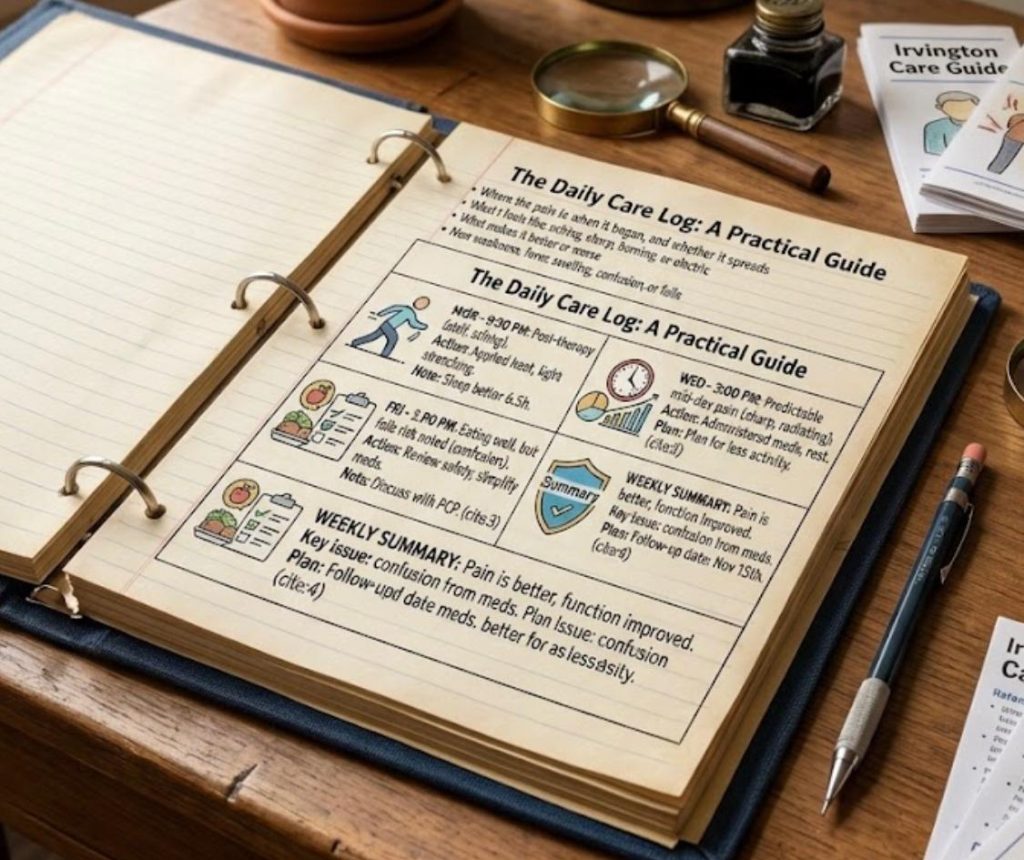
A brief note for the care team can include:
- Where the pain is, when it began, and whether it spreads
- What it feels like: aching, sharp, burning, or electric
- What makes it better or worse
- New weakness, fever, swelling, confusion, or falls
- Medicines taken, when they were taken, and their effect
- Changes in walking, sleep, appetite, and self care
Why Function Belongs in the Record
Function gives the team a shared goal. “Walk safely from bed to bathroom” is easier to evaluate than “have less pain.” It also helps clinicians weigh a medicine’s benefit against dizziness, sedation, constipation, or a higher risk of falling.
When Severe Pain Needs Urgent Help
New or rapidly worsening pain should never be assumed to be a routine flare. Call 911 for severe chest pain; trouble breathing; signs of stroke such as new facial drooping, arm weakness, or speech difficulty; a serious injury; or a person who is difficult to wake or breathing slowly.
Other symptoms need prompt medical assessment. These include new weakness or numbness, loss of bladder or bowel control, severe back pain with fever, a red and swollen joint with fever, or significant pain after a fall especially in an older adult. A home health worker who notices these changes should follow the agency’s escalation process and the patient’s emergency plan.
A Change From Baseline Matters
Older adults do not always describe pain in familiar ways. A person with cognitive impairment may become unusually quiet, resist movement, grimace during care, or stop eating. Sudden confusion can also signal infection, dehydration, medication effects, or another urgent problem. It should not simply be attributed to age.
Consider a hypothetical patient recovering at home after surgery. On Monday, they can walk to the kitchen with a walker. On Tuesday, they have new calf swelling, markedly worse pain, and shortness of breath. Reassurance and an extra pain tablet would be the wrong response; the change calls for emergency assessment. The value of home observation is recognizing that Tuesday is not the patient’s usual Tuesday. Severe pain is a description of intensity, not a diagnosis. Treatment choices depend on the underlying condition and pain mechanism.
Acute and Persistent Pain

Acute pain starts suddenly and often relates to an injury, procedure, or new illness. Chronic pain generally lasts longer than three months or persists beyond expected healing. Either can become severe. A person with chronic pain can also develop a new, unrelated emergency, so an established diagnosis should not close off further assessment.
Common Pain Mechanisms
Nociceptive pain comes from actual or threatened tissue injury. A fracture or inflamed joint may produce this pattern. Neuropathic pain results from a lesion or disease affecting the nervous system and may feel burning, shooting, or electric. Some people have Nociplastic pain, in which altered pain processing contributes to symptoms not fully explained by tissue damage or a clear nerve lesion. Mixed pain is common.
An anti inflammatory medicine may help some musculoskeletal pain but not be suitable for a person with kidney disease or a history of gastrointestinal bleeding. Treatment for neuropathic pain may involve a different medication class. Rehabilitation goals also differ after a fracture, with a pressure injury, or during cancer treatment. A prescriber needs the diagnosis and the full medical history before selecting treatment.
Review Conditions That Complicate Treatment
Kidney or liver disease, sleep apnea, falls, frailty, substance use history, and pregnancy can change medication choices. So can other prescriptions. A current list should include over he counter medicines, supplements, alcohol use, and products borrowed from family members.
Building a Safer Pain Plan at Home

A good plan combines treatment of the cause, appropriate symptom relief, activity matched to the condition, and a clear follow-up date. For subacute and chronic pain, CDC guidance favors nonopioid therapies when appropriate. If an opioid is considered, benefits for pain and function should be weighed against risks for that individual.
Physical and occupational therapy can help patients move more safely, rebuild strength, and adapt daily tasks. Depending on the diagnosis, a clinician may recommend gradual activity, positioning, heat or cold, or an assistive device. A therapist can show a caregiver how to help without pulling on an injured limb or placing either person at risk of a fall.
Sleep support matters, too. Pain disrupts sleep, and poor sleep can increase pain sensitivity. Consistent routines, a comfortable position, and a discussion of nighttime symptoms may improve the plan without automatically adding a sedating medicine.
Some conditions require temporary restrictions. For many others, prolonged inactivity causes stiffness and loss of strength. The care team should explain what movement is safe, what must be avoided, and how to increase activity. “Keep moving” is not useful advice unless the patient knows what that means for their particular condition.
Medication Options and Tradeoffs
| Approach | Possible role | Main safety consideration |
|---|---|---|
| Acetaminophen | Relief for selected pain conditions | Excess use or duplicate ingredients can cause liver injury |
| Oral nonsteroidal anti-inflammatory drugs (NSAIDs) | Some inflammatory or musculoskeletal pain | Stomach bleeding, kidney injury, and cardiovascular risks |
| Topical treatments | Selected localized pain | Check the product, skin condition, and directions |
| Physical or occupational therapy | Mobility, strength, and safer daily tasks | Must fit the diagnosis and any movement restrictions |
| Behavioral pain strategies | Coping, pacing, and daily function | Complement not a dismissal of medical assessment |
| Opioids | Selected cases after individualized evaluation | Sedation, breathing problems, dependence, and overdose |
Over the counter products still need a medication review. Two cold, sleep, or pain products may contain the same active ingredient. Older adults and people taking blood thinners, sedatives, or several prescriptions deserve particular care when a new medicine is added.
Tramadol Treatment: Its Limited Role and Key Risks
Tramadol is a prescription opioid and a federal Schedule IV controlled substance. It acts at opioid receptors and affects serotonin and norepinephrine signaling. Its effects can vary partly because the body converts it to an active metabolite through the CYP2D6 enzyme. A prescriber may consider it for a specific patient when an opioid is warranted, but it is not a risk-free “mild” alternative or a default treatment for severe pain.
Get Tramadol online can cause nausea, constipation, dizziness, and drowsiness. More serious harms include slowed breathing, overdose, seizures, and serotonin syndrome. Some antidepressants and other serotonergic medicines can increase interaction risks. Alcohol, benzodiazepines, sleep medicines, and other sedatives can increase dangerous impairment or breathing problems. The prescriber and pharmacist need the complete medication list before treatment begins.
What Home Caregivers Should Watch For
A caregiver should know the prescribed schedule, the intended treatment goal, whom to call about side effects, and where the medicine is stored. They should not give an extra dose because pain is distressing or use someone else’s prescription. New marked sleepiness, confusion, repeated falls, or poor breathing needs immediate attention.
Call 911 if a person taking an opioid is difficult to wake or has slow or shallow breathing. Give naloxone if it is available, and follow the emergency dispatcher’s instructions. Ask the prescribing clinician or pharmacist whether keeping Naloxone at home is appropriate.
Physical dependence can develop during prescribed opioid use and is not the same thing as addiction. Even so, a person who has been taking buy Tramadol online regularly should discuss changes with the prescriber rather than stopping abruptly. Follow-up should assess both benefit and harm: is the patient moving, sleeping, or participating in care better, and at what cost in side effects?
Obtaining Tramadol Without Compromising Safety
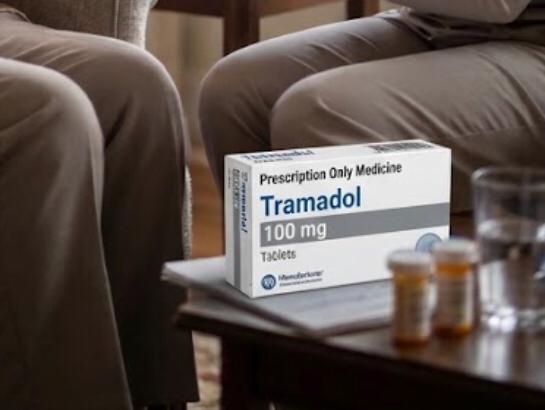
Searches such as buy Tramadol online should lead to an appropriate clinical evaluation not a seller promising medication without one. If Tramadol is prescribed, use a pharmacy licensed to dispense in the patient’s state that requires a valid prescription and offers access to a pharmacist. The FDA’s BeSafeRx guidance explains warning signs of unsafe online pharmacies, including sites that bypass prescriptions or hide their location. Rules for online prescribing and controlled substances may change, so confirm current requirements with the prescriber and pharmacy. A home health agency should help patients coordinate with their treating professionals, not act as an online medication seller.Coordinate Care Across the Household
Pain treatment often involves several people: the patient, family, home health staff, a primary care clinician, specialists, therapists, and a pharmacist. Problems arise when each sees a different medication list or assumes someone else made the follow-up call.
At the start of care and after a hospital discharge, review what the patient is actually taking against the current orders. Ask about medicines kept in a cabinet, pills taken only at night, and products purchased over the counter. Clarify discrepancies with the responsible clinician; do not guess which discharge instruction is current.
A Useful Handoff
A concise call can report the patient’s diagnosis, the change from baseline, recent medications, vital signs if available, and the requested decision. For example: “The patient walked with assistance yesterday but cannot stand today; pain is new in the left hip after a fall.” Specific observations help the clinician decide whether home follow-up, an urgent visit, or emergency care is needed.
Protect Patient Choice
The patient’s preferences remain central. Some prioritize alertness and mobility over maximum pain reduction; others need better relief to sleep or complete wound care. A patient with a serious illness may have different goals again. The team should ask, document, and revisit those goals as circumstances change.
Prevent Secondary Harm
A pain plan can reduce avoidable complications beyond pain itself. Watch for constipation when opioids are prescribed, falls when a medicine causes dizziness, pressure injuries when a patient avoids turning, and deconditioning when movement stops. Safe footwear, clear walking paths, adequate lighting, and an appropriate mobility aid are practical parts of treatment.
Questions to Ask a Home Health Agency
Before arranging home care, ask what services the agency actually provides and how a patient’s eligibility is determined. Skilled home health, personal care, and hospice are different services with different staffing and coverage rules. Do not assume that every agency offers all three.
Ask who will assess pain, how urgent changes are escalated, how medication discrepancies are communicated to prescribers, and whether therapy is available when ordered. Request a written plan that identifies visit frequency, patient goals, after-hours contact procedures, and what should trigger an emergency call. If coverage matters, confirm it directly with the agency and insurer rather than relying on general statements about home health.
Frequently Asked Questions
When is severe pain at home an emergency?
Severe pain needs emergency help when it occurs with symptoms such as chest pain, trouble breathing, stroke signs, a serious injury, or a person who is difficult to wake. Call 911 rather than waiting for the next home visit.
Can home health staff change a patient’s pain medication?
No, home health staff should follow their scope of practice and the authorized treatment plan; a prescriber must make prescribing changes. Staff can report symptoms, side effects, and medication discrepancies promptly.
Is Tramadol safer than other opioids?
Tramadol still carries opioid risks, including dependence, overdose, and dangerous interactions. Its suitability depends on the patient’s condition, other medicines, and a prescriber’s assessment.
Where can I safely fill a prescription for Tramadol online?
Use only a properly licensed pharmacy that requires a valid prescription and provides pharmacist access. Avoid websites offering Tramadol without an appropriate prescription or concealing their location.
What should families track between home health visits?
Track changes in pain, movement, sleep, alertness, medication use, and new symptoms. Share a significant change from the patient’s usual condition promptly with the care team.